Residential Dog Training
Our residential dog training programmes provide focused, consistent training at our five-acre training facility. We work on the behaviours that make the biggest difference to everyday life, including lead walking, recall, calmness, engagement and behaviour around distractions. Training also takes place off-site in carefully chosen real-world environments, helping dogs practise their skills around everyday distractions.
Four-Week Residential Dog Training
-
Who Is It For?
Our four-week residential programme is primarily designed for dogs over six months of age with established behavioural or training problems. This may include poor recall, lead pulling, over-excitement, reactivity, lack of focus, or difficulties around other dogs and people.
Before any residential stay, we carry out an initial consultation to assess your dog, understand the problems you are experiencing, and make sure the programme is the right fit.
-
During The Stay
During the stay, we work towards creating a dog that can focus and engage when needed, but also settle and switch off when calm behaviour is more appropriate.
Many modern training approaches place a heavy emphasis on motivation and constant engagement. While that can work well for sport and competition dogs, it can also create dogs that are permanently switched on or expecting to work. For many family pets, that is not the outcome owners actually want.
Our aim is to develop a well-balanced dog that can enjoy training and activity, but is equally capable of relaxing and fitting comfortably into everyday family life.
Training is tailored to the individual dog, with a balance of structured work, exercise, stimulation and rest. Sessions take place both at our five-acre training facility and off-site in real-world environments.
Two-Week Puppy Residential Dog Training
Who Is It For?
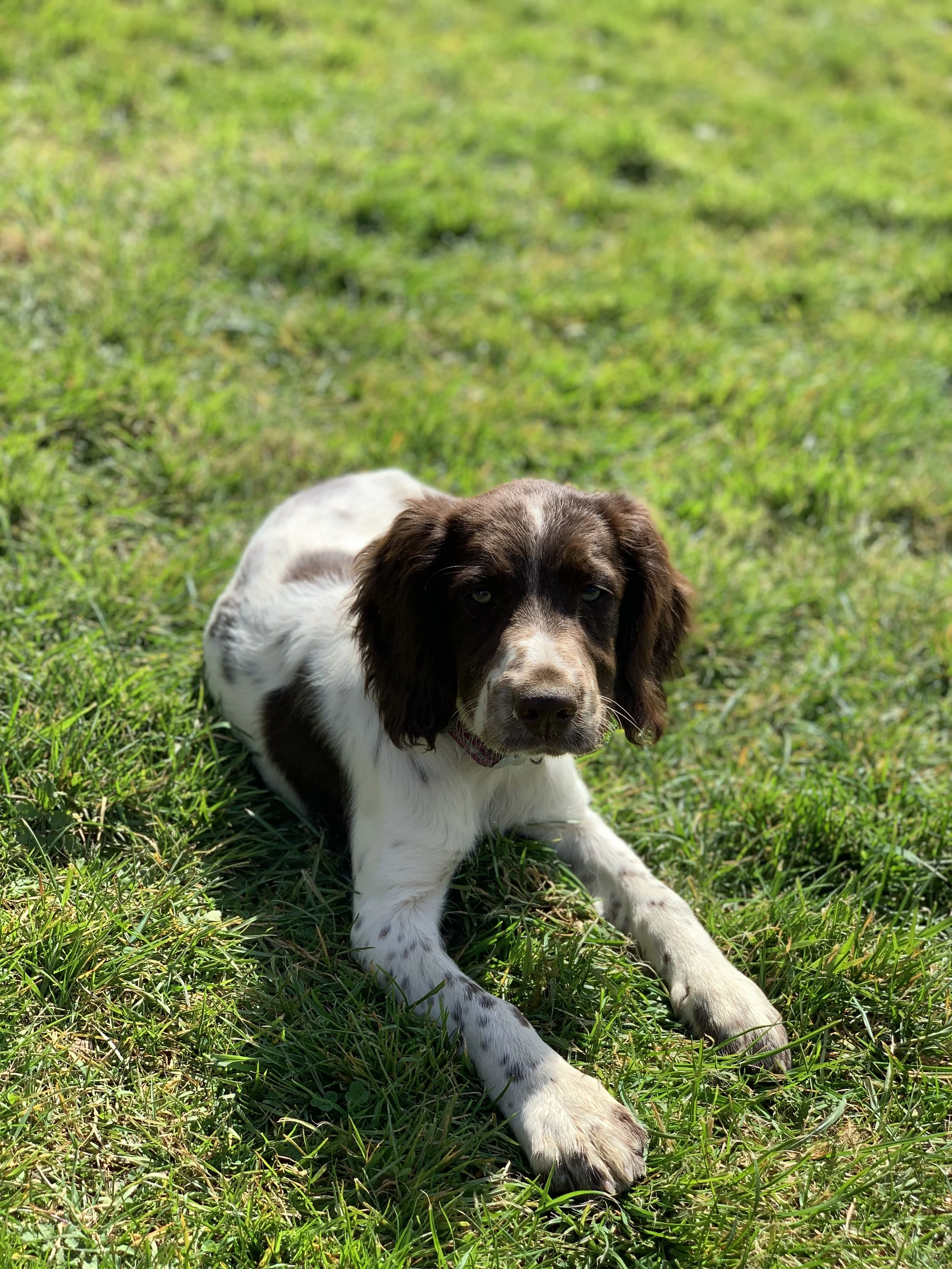
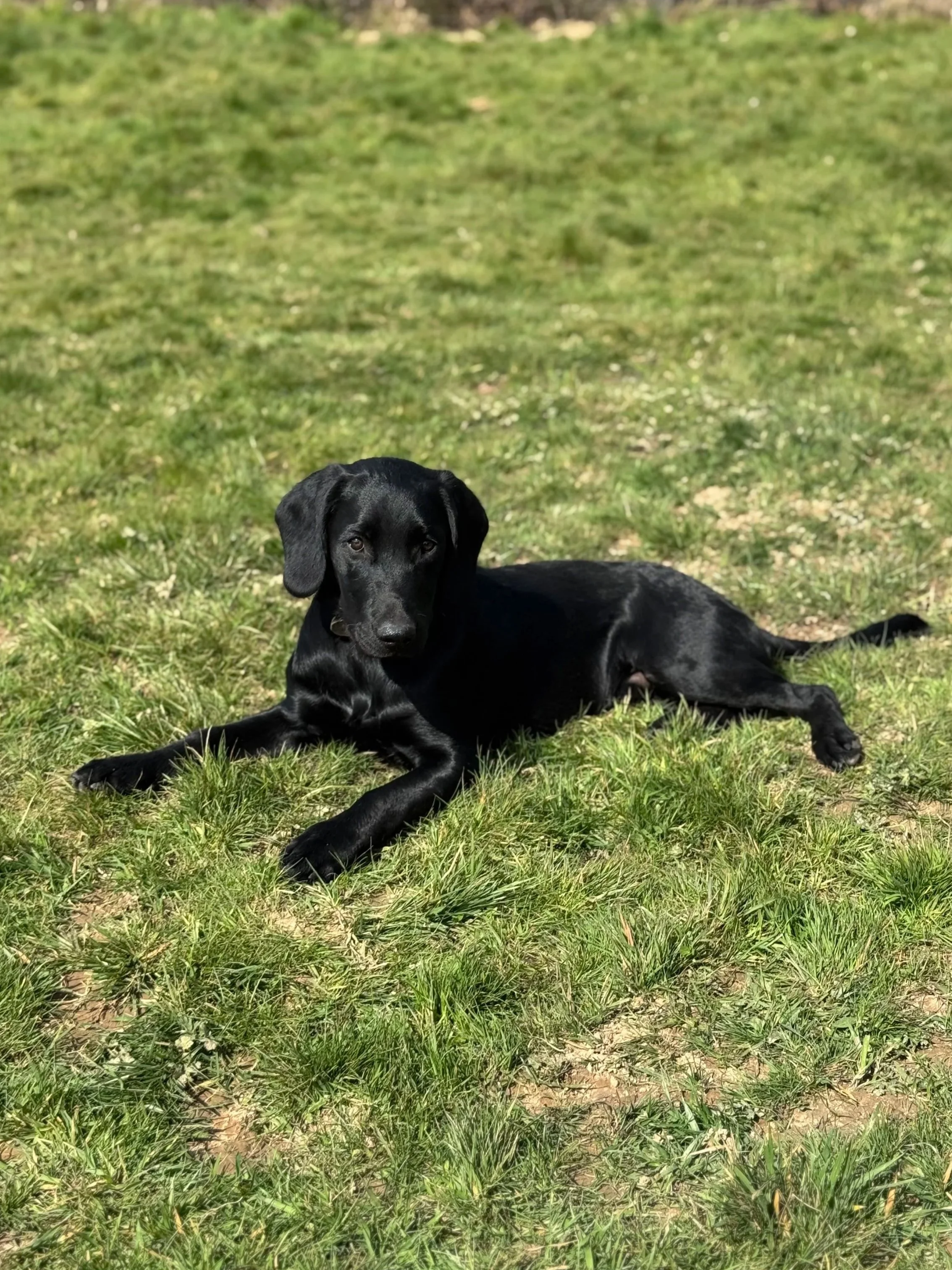
The 2-week puppy course is designed for dogs under 6 months of age. We offer a shorter residential stay for puppies because, at this stage, they are generally more adaptable and have had less time to develop unwanted habits or behaviours.
The course focuses on building strong foundations from the outset, including engagement, recall, lead walking, basic obedience, settling, boundaries and appropriate behaviour around everyday distractions. We also work on confidence and helping your puppy learn how to make better choices in different environments.
The aim is to give your puppy a clear, consistent start to their training while also giving you the tools and guidance needed to continue their progress once they return home.
In some cases, following the initial assessment, we may recommend our 4-week residential programme instead if we feel your puppy would benefit from a longer period of training.
-
Residential dog training, sometimes referred to as board and train, is a programme where your dog stays with us for a set period of time and receives focused, consistent training throughout their stay. Training takes place at our five-acre training facility as well as in carefully chosen real-world environments, with the programme tailored to the individual dog and the behaviours we are working on.
-
Training isn’t limited to a set number of hours each day. Dogs are learning throughout their stay — during structured training sessions, exercise, rest, handling and everyday interactions. We place just as much importance on teaching a dog when to settle and switch off as we do on active training. The aim is to create calm, reliable behaviour that carries over into everyday life, rather than simply completing a set number of training sessions each day.
-
Dogs stay in secure accommodation within our Oast House and Stables, but they are not simply shut away like in a traditional boarding kennel. Dogs spend much of their day training, exercising and interacting around our five-acre facility, with appropriate off-site training in real-world environments. Some dogs prefer to rest in a crate as it replicates their routine at home and helps them settle, while others prefer a kennel. We tailor this to the individual dog and what suits them best.
-
We work with a wide range of behavioural and training issues, including poor recall, lead pulling, jumping up, over-excitement, lack of focus, difficulty settling, excessive barking, frustration, reactivity, aggression, guarding, chasing, nervousness, confidence issues and problems around other dogs or people.
We also work on everyday skills such as recall, lead walking, calmness, engagement, impulse control, boundaries and reliable behaviour around distractions.
Every programme is tailored to the individual dog and the specific problems you are experiencing.
-
Yes. Training isn’t limited to our five-acre facility. We regularly take dogs into carefully selected real-world environments, giving them the opportunity to practise around the distractions they are likely to encounter in everyday life.
This can include other dogs, people, traffic and busier environments, depending on the individual dog. Our aim is not simply for your dog to perform well in a controlled training environment, but to develop reliable behaviour that transfers into everyday life with you.
-
Both residential programmes include a handover lesson when you collect your dog, where we show you what they have learned and how to continue the training at home. An additional follow-up lesson is also included, which is usually enough to help owners maintain the progress made during the stay.
Some owners choose to book further lessons for extra support or to continue developing their dog’s training, but these are optional.
-
We take a balanced, individual approach to dog training rather than following a single method or philosophy. Every dog is different, so training is adapted to their temperament, behaviour and the problems we are working on.
We use motivation and rewards alongside clear communication, structure, boundaries and fair, appropriate consequences. Our methods have been developed through decades of hands-on experience, with the focus always on producing calm, reliable behaviour that works in everyday life.
-
Yes. Exercise, rest and downtime are an important part of every residential stay. Dogs have plenty of opportunity to exercise across our five-acre facility, alongside walks, training and appropriate off-site activities.
Just as importantly, we teach dogs how to settle and switch off. Training isn’t about keeping a dog constantly stimulated — we aim to create a healthy balance between activity, training and genuine rest, tailored to the individual dog.
-
Yes. All new clients and new dogs require an initial assessment before joining one of our residential programmes. This allows us to get a feel for your dog’s temperament, behaviour and learning potential, while also understanding the problems you are experiencing and what you would like to achieve.
It also gives both you and us the chance to make sure the owner, dog and trainer are a good fit for one another before committing to a residential stay.
-
Our residential dog training programme, also known as board and train, is very different from a standard kennel stay. Training isn’t limited to a set number of sessions each day — it becomes part of your dog’s everyday routine while they are with us.
Dogs spend their time training, exercising, interacting and learning when to settle and switch off across our five-acre training facility. We also train off-site in carefully selected real-world environments, helping dogs learn to respond reliably around the distractions they will encounter in everyday life.
Every programme is tailored to the individual dog, with consistent training, structure and guidance throughout their stay. The goal isn’t simply a dog that performs well for us — it’s calmer, more reliable behaviour that you can continue when your dog comes home.
-
Yes. We regularly work with dogs displaying reactivity, dog-to-dog aggression and aggression towards people. Every case is different, so we give owners an honest assessment from the outset about what we believe is achievable and whether residential training is the right option.
For more severe or complex cases, we may recommend treating the first week of the residential stay as an initial trial period. This gives us time to assess the dog more thoroughly in the training environment before deciding on the best way forward.
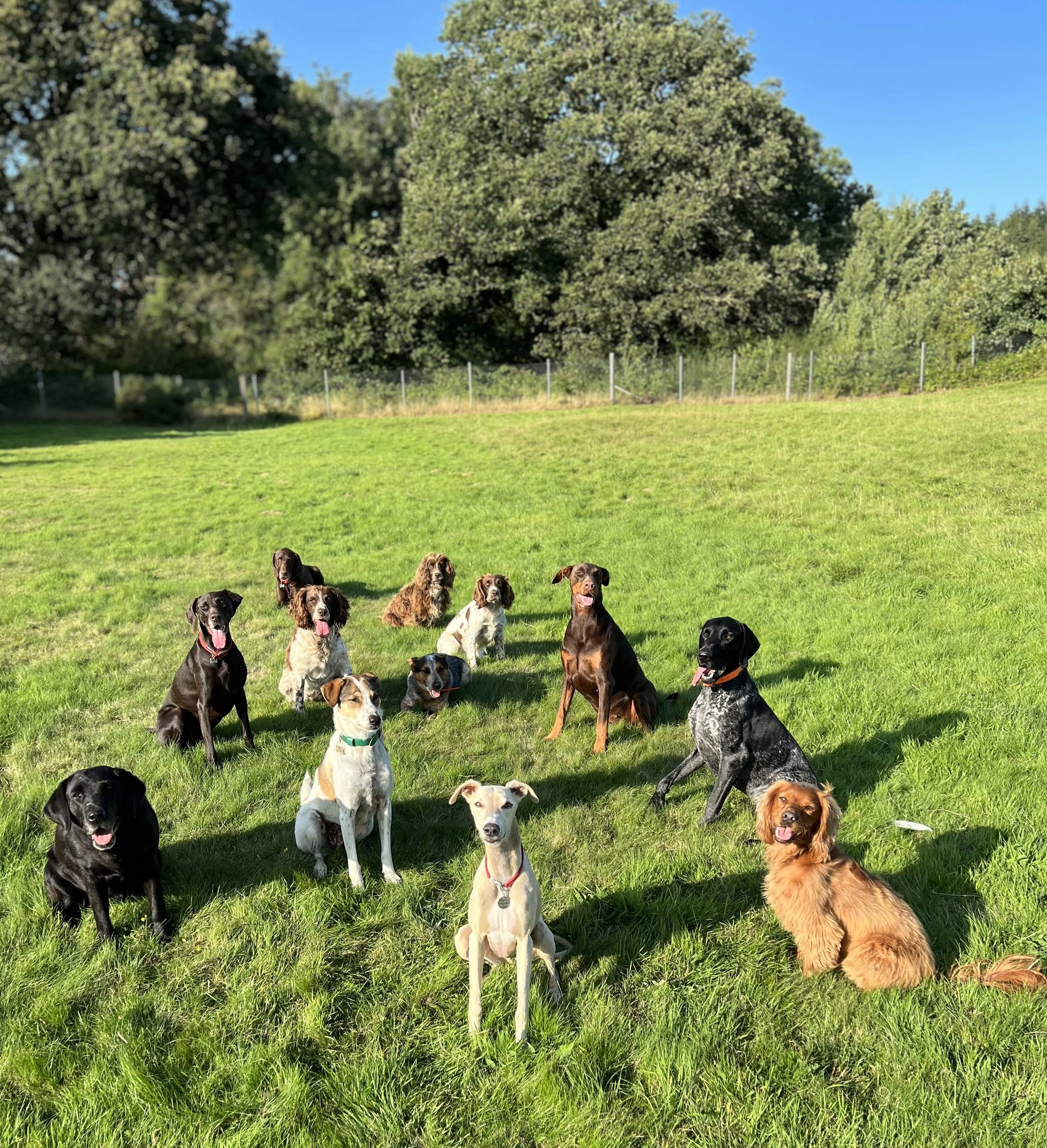
Where appropriate, we also use our five well-balanced stooge dogs as part of the process, allowing us to work carefully on behaviour around other dogs in a controlled and structured way.
Training for Everyday Life
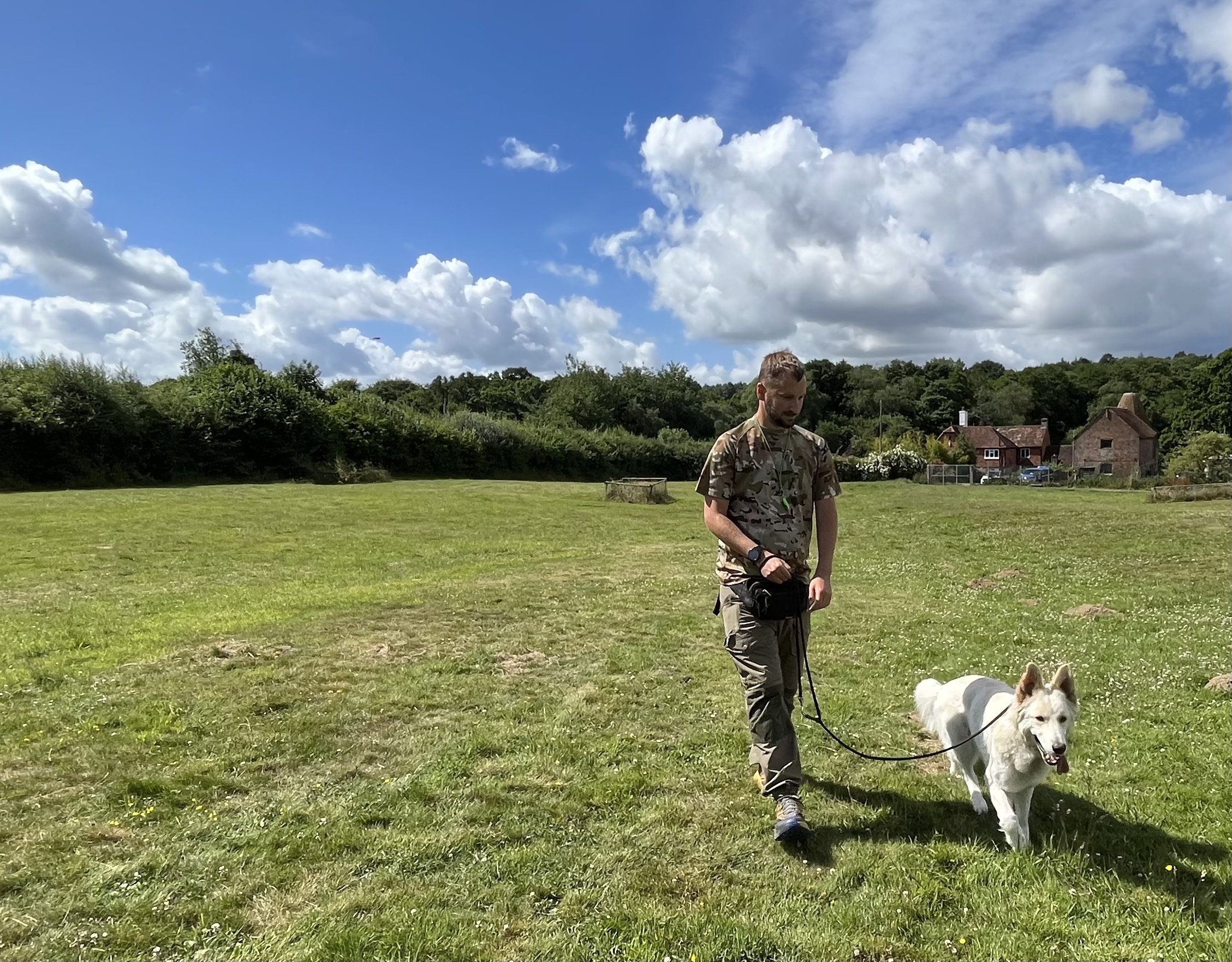
Our aim is not simply to teach exercises, but to help your dog become calmer, more responsive and easier to live with in everyday life.
Throughout their stay, dogs learn how to behave around real-world distractions while still enjoying exercise, stimulation and downtime.